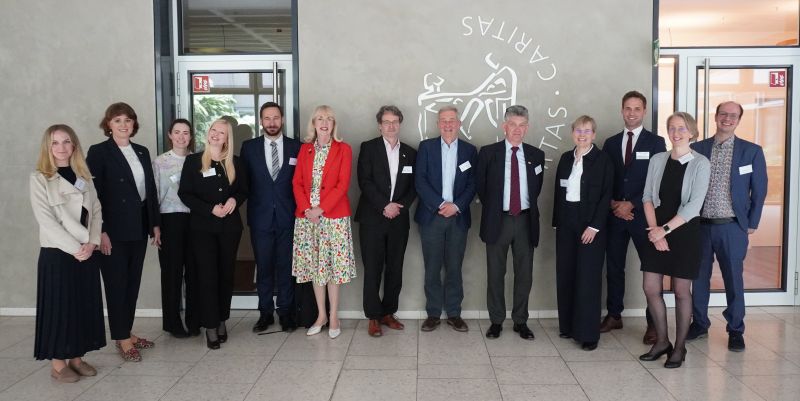
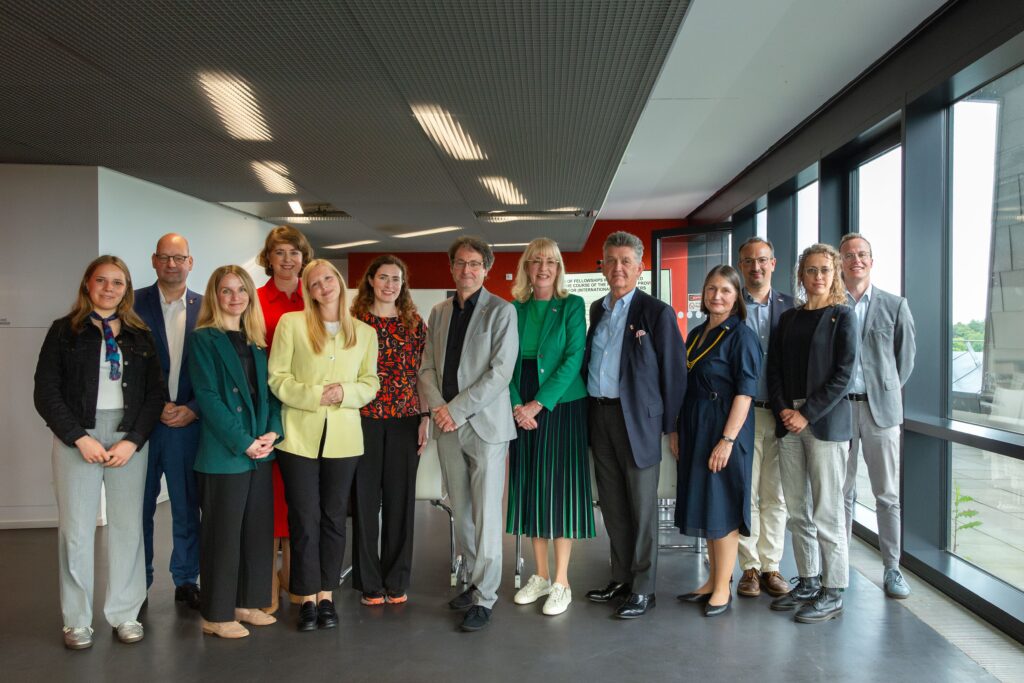
From supporting the next generation of researchers and advancing artificial intelligence to fostering research excellence, the Royal Society of Edinburgh (RSE) delegation’s visit to Lower Saxony on 4. and 5. June 2026, led by Professor Anne H. Anderson, Vice-President for Research, highlighted both the strength of the growing partnership between Lower Saxony and Scotland and the themes shaping the future of international research collaboration.
Research Collaboration Between Scotland and Lower Saxony
Over recent years, research collaboration between Scotland and Lower Saxony has developed into a model of international interregional cooperation. This was explicitly recognised in the German–British Friendship Treaty (the “Kensington Treaty”, 2025). The joint funding programme, the Lower Saxony–Scotland Research and Innovation Scheme (RIS), brings together researchers, universities and innovation partners from both regions.
The initiative is supported by the Royal Society of Edinburgh (RSE), the Lower Saxonian Ministry of Science and Culture (MWK), and the VolkswagenFoundation. Coordinating support is provided by the European Centre for Advanced Studies (ECAS) at Leuphana University Lüneburg (Leuphana).
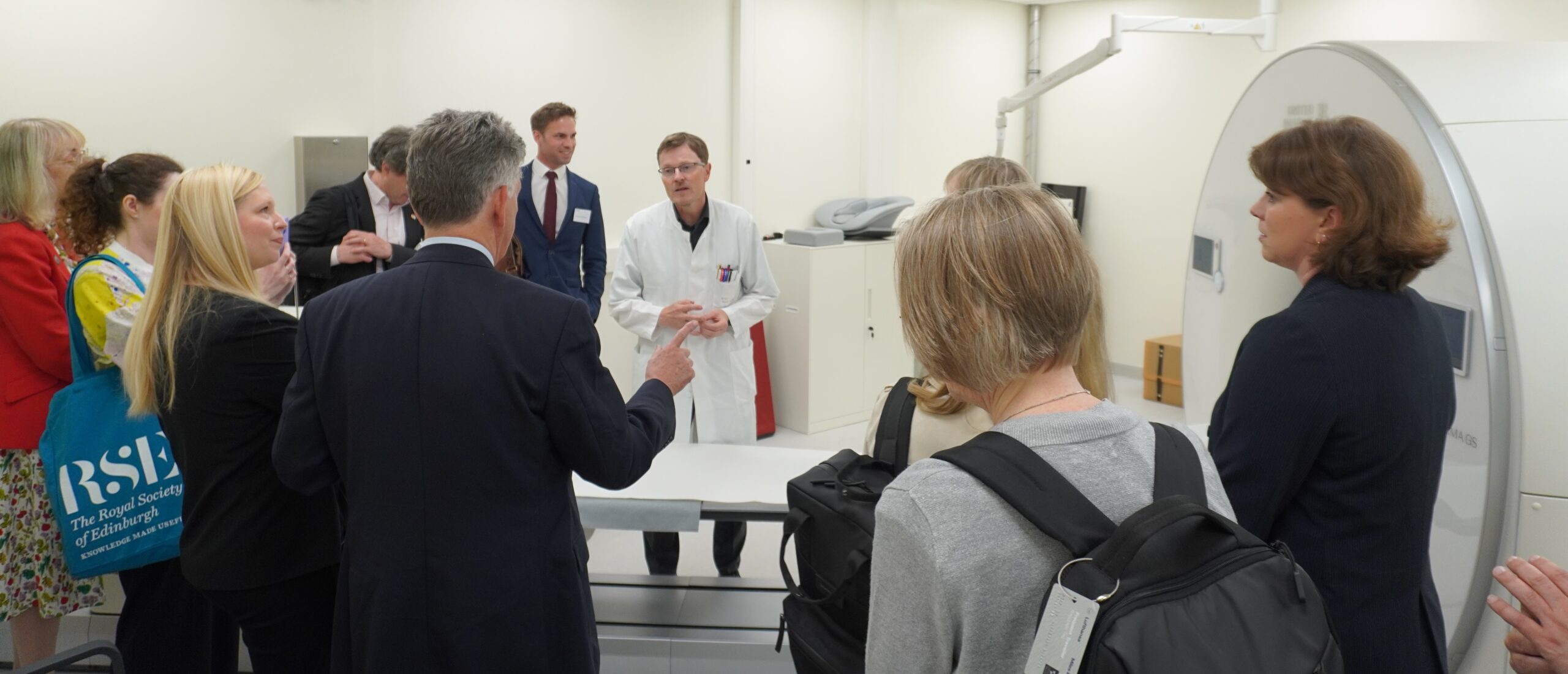
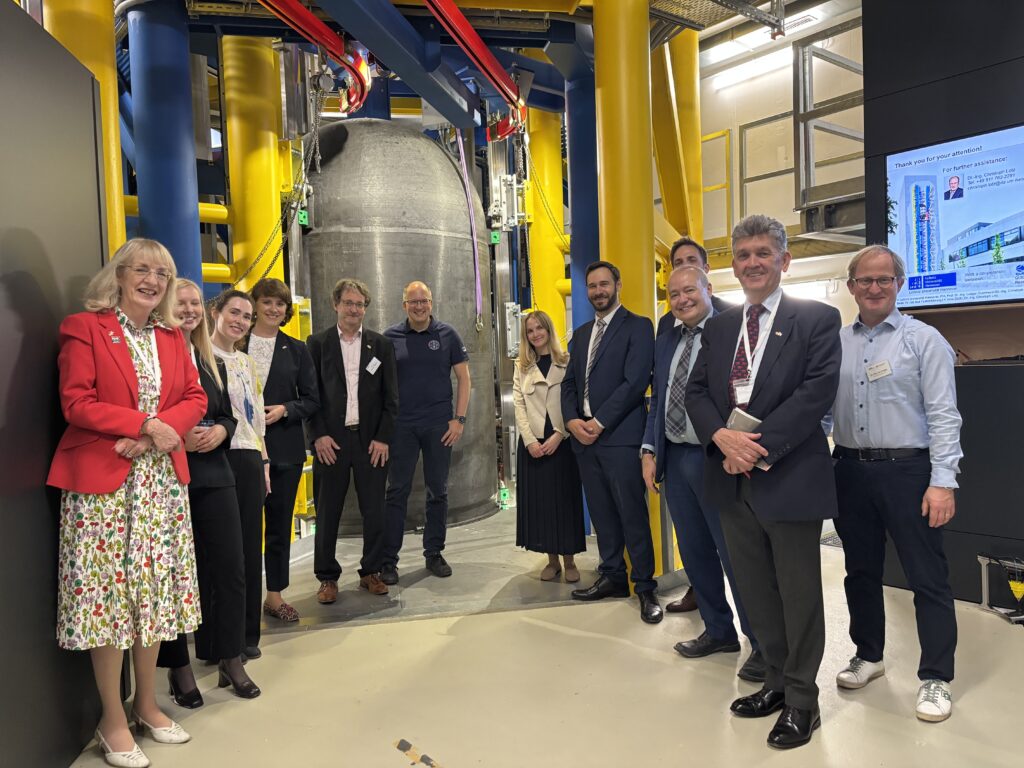
Visit to Hannover Medical School (MHH)
The visit to Hannover Medical School provided insights into the institution’s Excellence Strategy and its specially designed support structures, which guide talented individuals from the school-leaving stage through to independent academic careers. This approach attracted considerable interest within the context of Lower Saxony–Scotland collaboration.
A particular focus was placed on the project “BRIDGE Clinician Scientists – Developing a Cross-Border Training for Clinician Scientists”, which is funded through the RIS Development Track. The project strengthens the training of clinician scientists and addresses shared challenges at the interface between research and clinical practice.
MHH also presented further avenues for collaboration with Scottish partners, including “HAGIS – Building Collaborative Excellence in Infection and Immunity Research”, which is already supported through RIS funding, and “Advancing Innovative Gene and Cell-Based Therapies From Research Towards Clinical Application”, a research area with considerable potential for future collaboration.
Visit to Leibniz University Hannover (LUH)
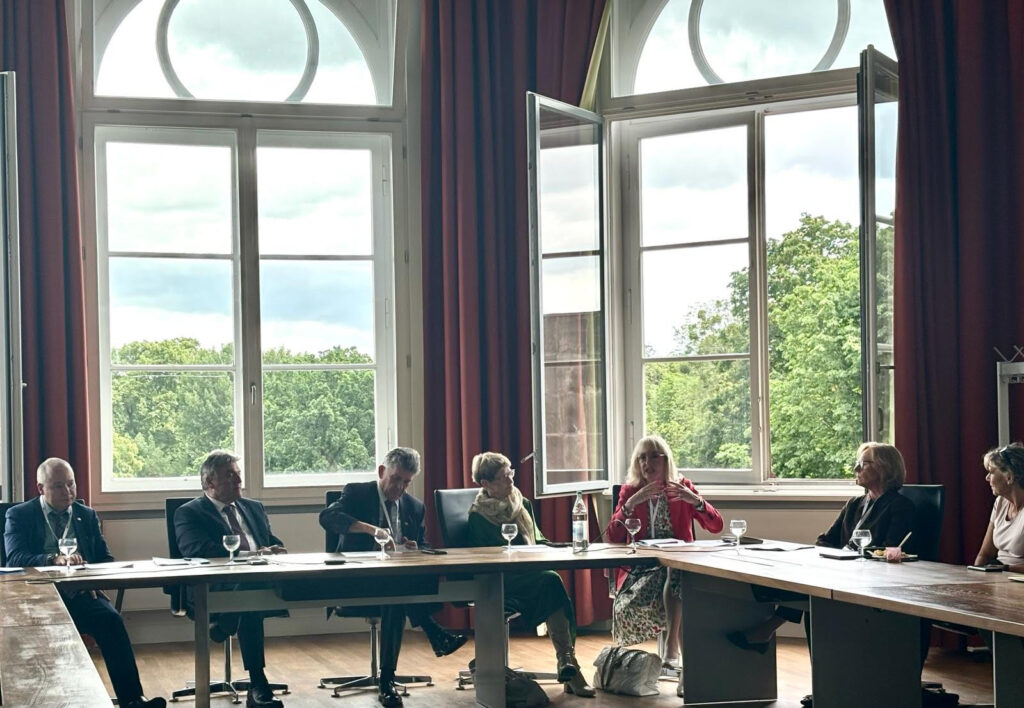
At Leibniz University Hannover, the delegation met RIS-funded researchers and representatives responsible for research and internationalisation at universities across Lower Saxony during the panel discussion “Connecting Lower Saxony and Scotland – Pathways for Transregional Research Collaboration”.
Professor Volker Epping, President of LUH, emphasised the role of committed researchers as the foundation of sustainable partnerships. State Secretary Professor Joachim Schachtner subsequently highlighted that successful international collaborations are built on shared academic values, mutual trust and long-term commitment.
Professor Angela Ittel, Vice-President for International Affairs of the German Rectors’ Conference (HRK) and President of Technische Universität Braunschweig, praised the success of the RIS funding scheme and advocated a stronger integration of humanities and social science perspectives, as well as ethical considerations, into scientific and technological research, particularly in the field of artificial intelligence.
Professor Barbara Schaff, Professor of English Literature and Cultural Studies at the University of Göttingen, argued in favour of values-based partnerships grounded in democratic principles. Nick Leake, Deputy Director for EU Affairs of the Scottish Government in Brussels, underlined the importance of international cooperation in the post-Brexit context. Given the loss of numerous personal networks, he stressed that strengthening existing partnerships and developing new ones is more important than ever, particularly in light of the United Kingdom’s renewed participation in Horizon Europe and Erasmus+.
In the afternoon, the delegation gained insights into further activities at LUH, including the RIS Excellence Track project “Enhancing Atomic Spectroscopy with Optical Angular Momentum”. This joint initiative between LUH and the University of Glasgow demonstrates the impact of Lower Saxony–Scotland research funding: contacts first established through the ECAS Tandem Fellowship Programme (2021–2024) developed into a successful RIS-funded collaboration.
Reception at the Guest House of the Government of Lower Saxony
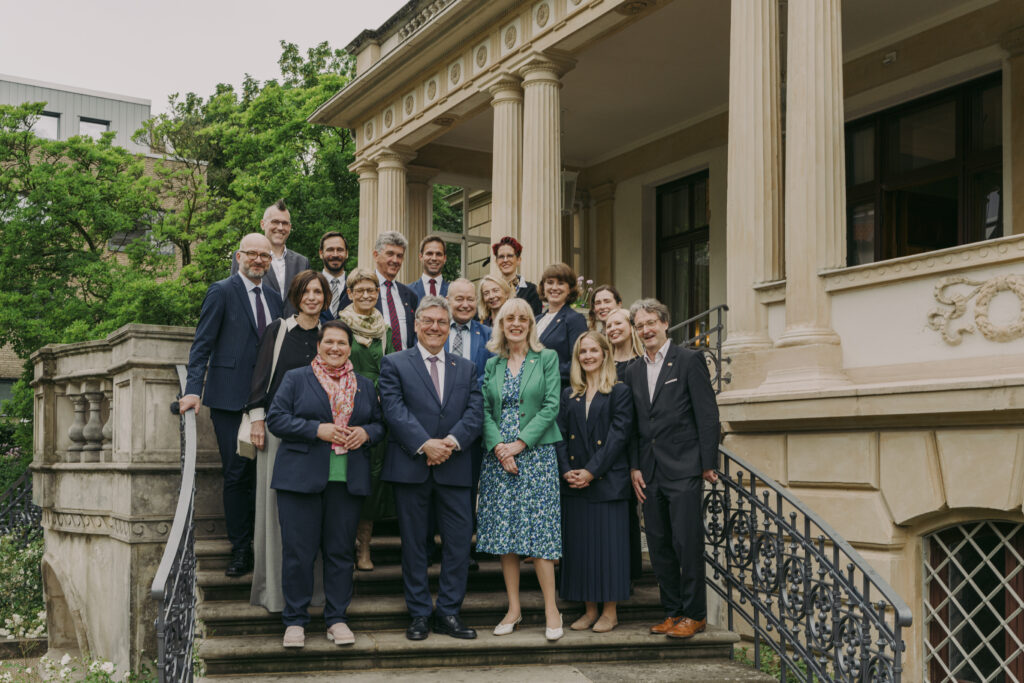
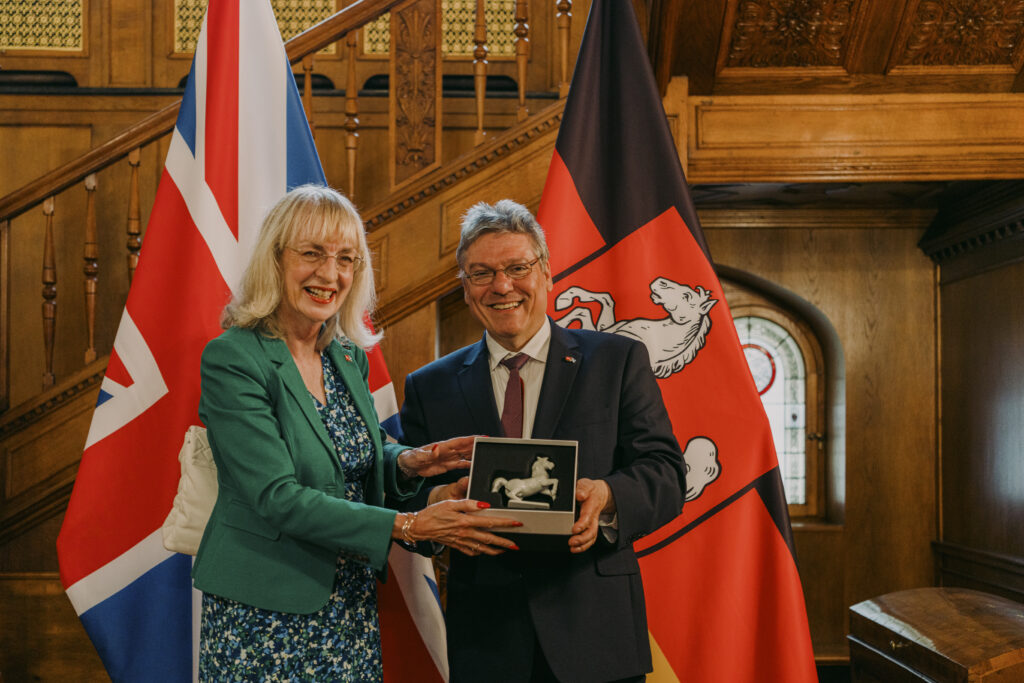
During a reception at the Guest House of the Government of Lower Saxony, State Secretary Professor Joachim Schachtner emphasised the significance of the partnership for the State of Lower Saxony.
Among those taking part in the discussions were Melanie Walter, Lower Saxony’s Minister for European Affairs and Regional Development, Professor Jutta Allmendinger, Chair of the Scientific Commission of Lower Saxony, representatives of Lower Saxony’s universities, and Nick Leake.
Visit to Leuphana University Lüneburg
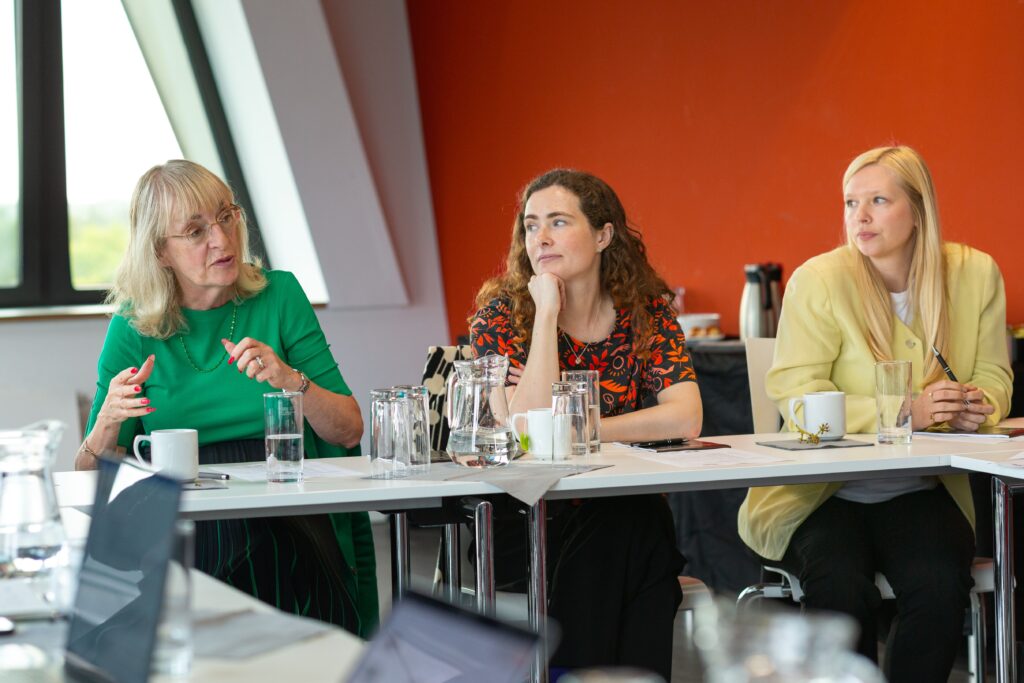
To conclude the programme, which Professor Markus Reihlen, Vice-President for Internationalisation and Academic Director of ECAS, described as a “fire of inspiration”, the RSE delegation visited Leuphana University Lüneburg.
Professor Roman Trötschel, Vice-President for Research, Dr Anke Gründel, Academic Coordinator of the Leuphana Transformation Lab, and Anke Zerm, Head of the Research Service, provided the delegation with insights into Leuphana’s current research developments in the field of transformation research, as well as the associated funding schemes supporting different stages of research career development.
Conclusions
Throughout the visit, several shared priorities for future collaboration emerged. These included new approaches to supporting research talent, expanding joint research and study programmes, and addressing societal challenges such as artificial intelligence, education, security, and defence research.
The visit also demonstrated that research collaboration between Lower Saxony and Scotland has evolved far beyond individual research grants. By strategically connecting researchers, universities and institutions across both regions, the partnership is creating new opportunities for collaborative research, talent development and innovation.
The wide range of existing and emerging collaborations demonstrates that the partnership has evolved into a vibrant research network and continues to offer significant opportunities for the years ahead.
 Previous